Jamun: The Purple Fruit My Grandmother Swore By
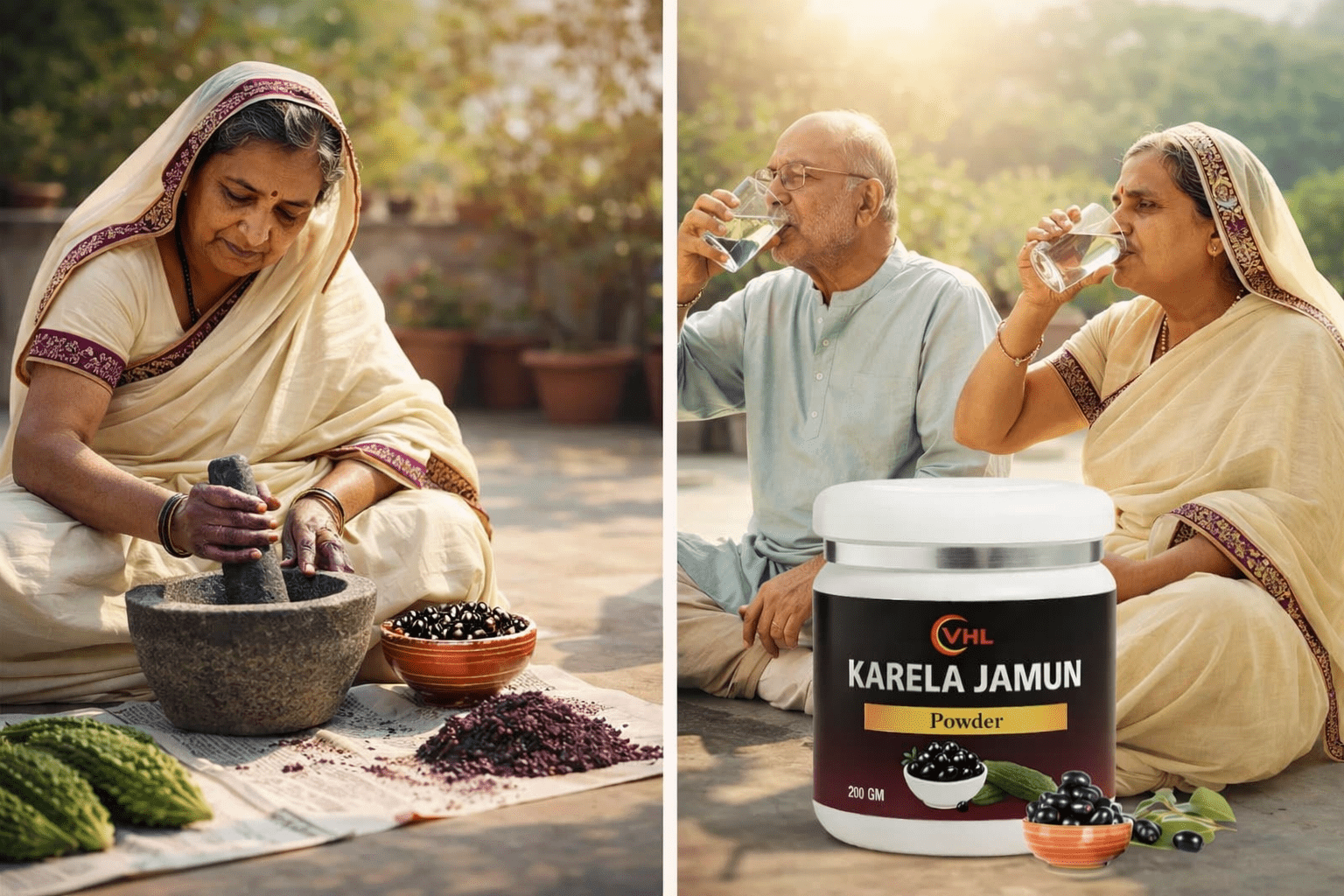
Every June, without fail, my grandmother’s terrace turned into what looked like a crime scene. Purple stains everywhere. Her hands, the old newspaper she spread out, even the corners of her saree pallu all tinted that distinctive Jamun purple.
“Arre, why you making such mess, Nani?” I’d complain as a kid, annoyed at having to help collect those small black seeds.
She’d just laugh. “Beta, you’ll understand when you’re older.”
Well, I’m older now. And yeah, she was right. Again.
That Purple Mess? Turns Out It’s Gold
Remember eating Jamuns as kids? The fruit itself was sweet-ish, nothing special really. But those seeds? Most of us would just spit them out. My grandmother though, she’d get genuinely upset if she saw anyone tossing them.
“Such waste!” she’d scold. “This seed is worth more than the fruit.”
I didn’t get it then. The fruit tasted okay, the seed was bitter and hard-what’s the big deal? But she’d patiently collect every single seed, spread them on her terrace under the harsh summer sun, turning them daily like she was tending to some precious crop.
After a week of drying (and constant monitoring so the crows didn’t eat them), she’d sit with her old stone mortar and pestle-the one she refused to replace despite having a perfectly good mixer grinder. Grinding those dried seeds into fine powder took her almost an hour. Her arms would hurt, but she never complained.
“Stone grinding keeps the properties intact,” she’d insist. “Machine makes it too hot, destroys the goodness.”
The Morning Ritual Nobody Could Skip
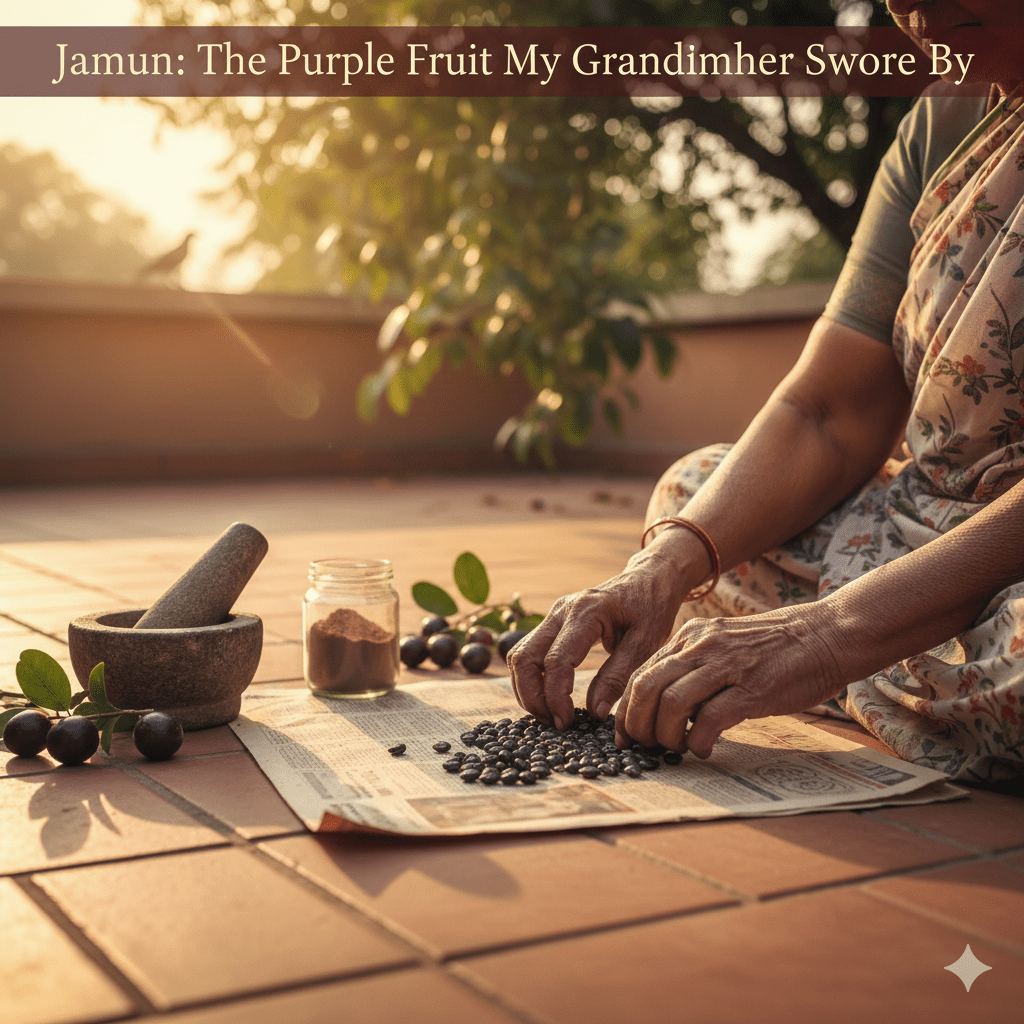
6 AM sharp. Every single day. Nani would mix half a teaspoon of her Jamun powder in water and drink it like it was the most delicious thing ever. My grandfather did the same, though his face said otherwise.
“Tastes horrible,” he’d mutter.
“Good medicine is always bitter,” she’d reply, same line every day for 40 years probably.
But here’s the thing-both of them had diabetes running in their families. Both their siblings had it. Their parents had it. But them? Crystal clear blood sugar reports into their 80s. The doctor was actually surprised every year during checkups.
What’s Actually Happening Here?
I got curious a few years back and started reading up. Turns out those Jamun seeds have something called jamboline-sounds fancy but basically it helps your body process sugar better. The seeds slow down how quickly sugar hits your bloodstream, which means no crazy spikes and crashes.
My aunt (who inherited grandmother’s obsession with natural remedies) explained it better: “Think of it like traffic control. Without it, all the sugar rushes in at once, causes chaos. With Jamun, it’s regulated, smooth flow.”
That actually made sense. Grandmother never had those afternoon energy slumps people talk about. No mid-day chai-biscuit cravings either.
The Side Benefits Nobody Talks About
So my cousin started taking Jamun powder last year – just the ready-made kind from a shop because who has time for all that seed drying, right? She wanted help with her blood sugar levels, which were creeping up.
Three months in, she calls me all excited. “My gums stopped bleeding!”
I was confused. “What’s that got to do with anything?”
Turns out Jamun has been used for dental health too. Who knew? She also mentioned her digestion improved – no more bloating after meals. And apparently her skin cleared up, though that might be coincidence.
That’s what I’ve noticed with these old remedies. They don’t just fix one thing. You take it for something specific, but other stuff improves too. Modern medicine doesn’t really work like that – one pill, one problem.
Why Mixing Karela Makes Sense (Even Though It Tastes Worse)
Grandmother’s recipe wasn’t just Jamun. She’d mix in Karela powder too. I asked her why once.
“Jamun controls the sugar flow, Karela helps use it properly. Together, double benefit.”
Made sense in her simple logic. And honestly, she was right. Karela helps your cells actually use the glucose instead of letting it float around causing problems. Jamun makes sure it doesn’t all rush in at once.
VHL basically took grandmother’s recipe and made it cleaner, more consistent. Same two ingredients, professionally processed. No risk of birds eating your drying seeds or getting the proportions wrong.
Does it taste better than grandmother’s homemade version? Nope. Still bitter. But at least you don’t need to spend your summer afternoons drying seeds.
Who Needs This?
Look, not everyone needs Jamun powder. But if you’re:
Someone with blood sugar concerns brewing Have diabetes in the family (like half of India, honestly) Want to actually prevent problems instead of waiting for them to start Tired of depending only on medicines
Then yeah, worth trying.
But and this is important if you’re already on diabetes medication, please tell your doctor before starting. My uncle didn’t. Started taking Jamun powder while on metformin. His sugar dropped too low, he felt dizzy at work, whole drama happened. Doctor adjusted his medicine dose after that, but he learned the lesson.
Natural doesn’t mean you can be careless about it.
Let’s Be Real
I’m not claiming Jamun is magic. It won’t fix everything. You can’t eat pakoras all day, sit on the couch, and expect Jamun powder to save you. That’s not how any of this works.
But paired with decent eating habits and some movement? It helps. Grandmother didn’t just take Jamun powder – she walked every morning, ate home-cooked meals, avoided too much sugar anyway. The powder was part of a lifestyle, not a replacement for one.
She passed away at 89. Heart gave out in her sleep, peacefully. But her blood sugar? Perfect till the end. Her doctor told us at the funeral, “In 30 years of treating her, never once did she need diabetes medication.”
Could’ve been genetics. Could’ve been luck. But I think those purple-stained mornings and that bitter powder had something to do with it.
Sometimes our grandmothers know things doctors take years to figure out.
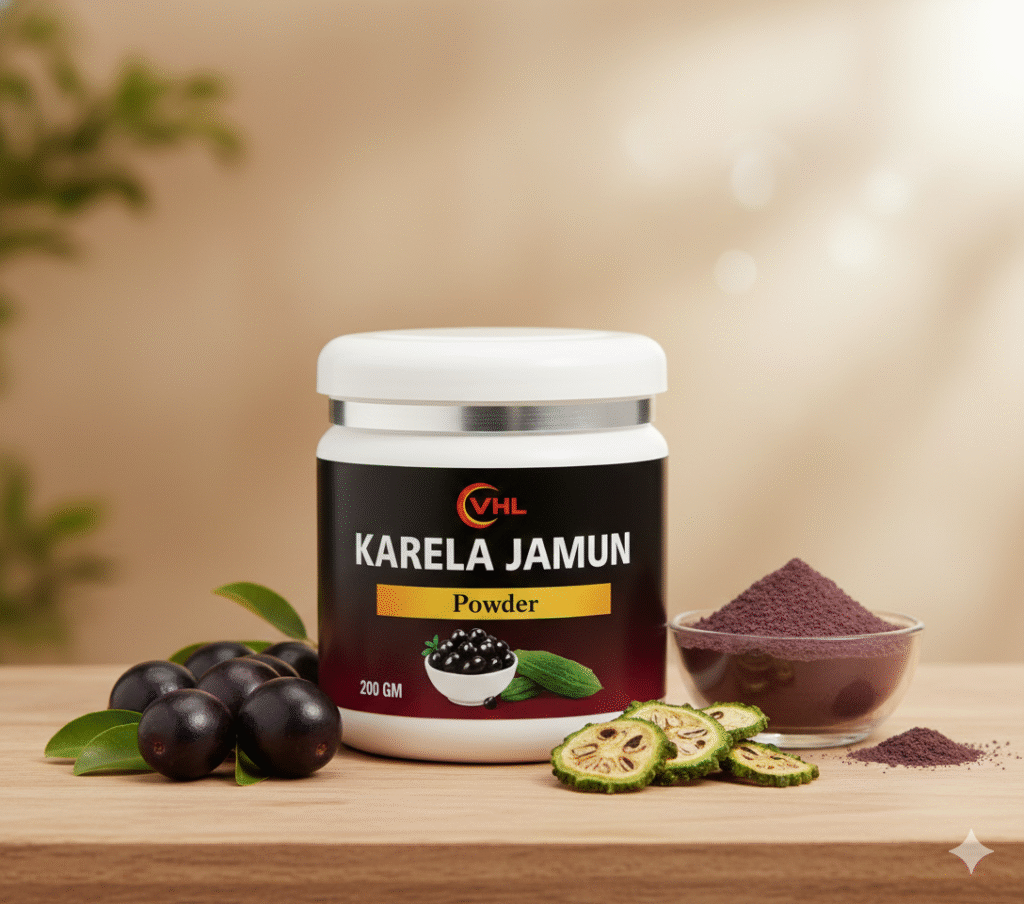
Why I Eventually Switched to VHL Karela Jamun Powder
After grandmother passed, I felt guilty not continuing her morning ritual. So I decided to make the powder myself. How hard could it be, right? She did it for decades.
Spoiler: It’s harder than it looks.
First attempt bought Jamun from the local sabzi wala. Collected the seeds. Spread them on my balcony to dry. Three days later, came back to find pigeons had eaten half of them. The remaining ones? Didn’t dry properly because I apparently didn’t turn them enough. When I tried grinding them, they were still slightly moist inside. Whole batch ruined.
Second attempt over-dried the seeds. Ground them in my mixer grinder (because I don’t have grandmother’s patience for stone mortar). The powder smelled… burnt. And the taste was off. Not the same bitter as grandmother’s – more like charred bitter.
Gave up after that. My aunt laughed when I told her. “Why you’re wasting time? Just buy VHL Karela Jamun Powder.”
“But it won’t be the same as what Nani made,” I protested.
She rolled her eyes. “Check the ingredients.”
So I did. Two ingredients. That’s it. Karela and Jamun. No preservatives, no chemicals, nothing extra. Exactly what grandmother used. The only difference was they actually knew the correct drying time, grinding temperature, and proportions.
I was still skeptical, but I bought a jar. Started taking half a teaspoon every morning, same time grandmother did – 6 AM with lukewarm water. Tasted exactly like I remembered from childhood. That same bitter punch that made my grandfather wince every morning.
Two months in, I had my regular checkup. My fasting blood sugar had been creeping up the last few years – nothing alarming, but definitely trending wrong. Doctor looked at my latest report, then looked at me.
“What changed?” he asked.
“Started taking this Ayurvedic powder,” I told him. “Same thing my grandmother used.”
He just nodded. “Whatever you’re doing, continue it. These numbers are better than last year.”
That convinced me more than any fancy marketing could. Real results, not promises.
The thing is, VHL didn’t try to reinvent the recipe. They kept it simple – same two ingredients our grandmothers used for generations. They just made it accessible for people like me who don’t have terraces for seed-drying or the time to monitor them daily or the skill to get the grinding process right.
Would grandmother have bought ready-made powder? Probably not-she was stubborn about doing things herself. But I think she’d appreciate that her recipe is helping more people now. Because ultimately, she didn’t care about the process. She cared about the results.
And honestly? When I take that bitter powder every morning, I feel like I’m continuing her legacy. Just without the purple-stained terrace and crow-fighting drama.
Some traditions are worth keeping. Sometimes, you just need a little help to keep them going.
Why I Actually Recommend VHL’s Version
Here’s the thing I tried making grandmother’s recipe myself once. Total disaster. Bought Jamun from the market, dried the seeds for what I thought was long enough (wasn’t), ground them in my mixer (got too hot, powder turned weird), and the final result tasted off. Wasted a whole weekend and bunch of money.
That’s when my aunt suggested VHL Karela Jamun Powder. I was skeptical at first how’s some packaged powder going to match what grandmother made for decades? But then I read the ingredient list. Just two things: Karela and Jamun. No fillers, no preservatives, nothing extra. That’s exactly what grandmother used.
The difference? They actually know what they’re doing. Proper drying process, right grinding temperature, correct proportions every single time. I don’t have to worry about whether I dried the seeds enough or ground them properly. And honestly, between work and everything else, who has time to spend weekends on their terrace drying seeds?
Took it for two months, got my blood work done. Doctor looked at the results, looked at me, asked what I changed. “Just started taking this powder my grandmother used to make,” I told him. He nodded, said whatever I’m doing, keep doing it. Numbers were better than they’d been in years.
Would grandmother have approved of the store-bought version? Maybe not initially she was old-school like that. But I think she’d appreciate that more – people can access this now without the whole hassle. The important part was never the process, it was the ingredients. And those are the same.