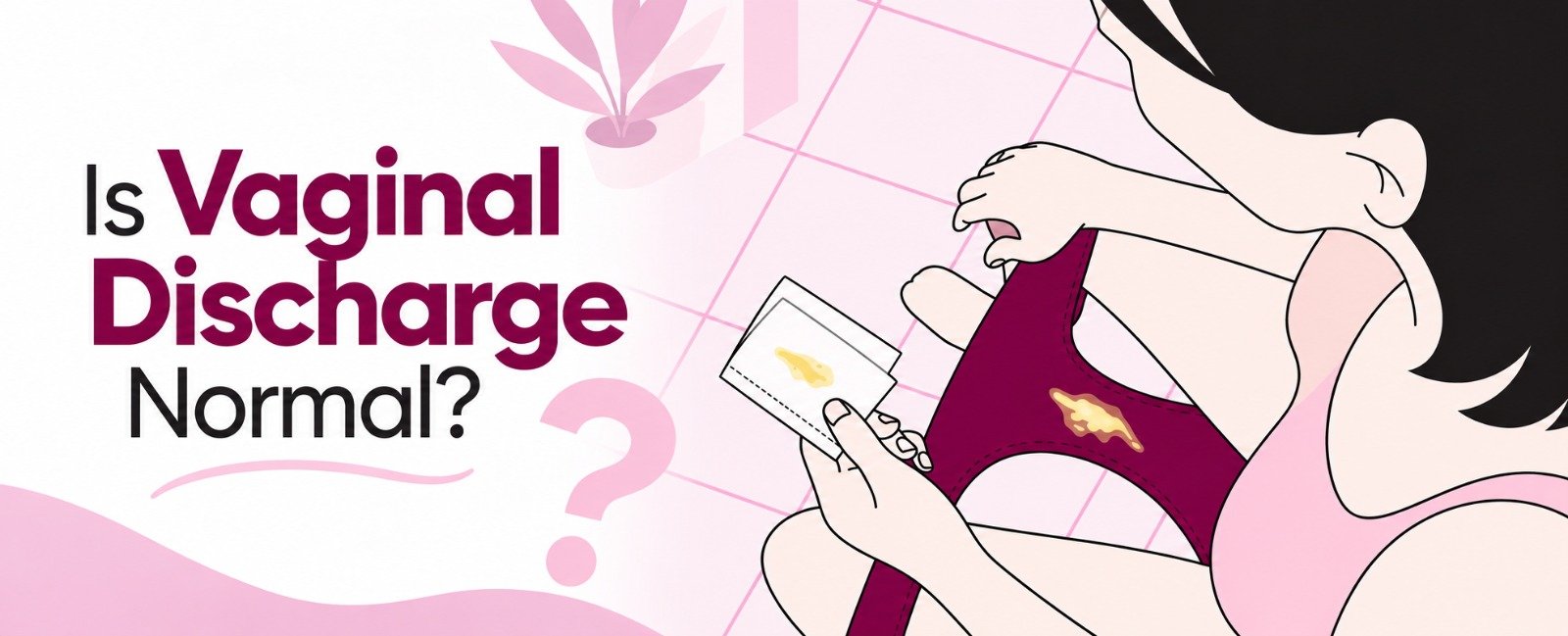
Intimate hygiene is an important part of women's everyday personal care, but many common habits can actually cause irritation or discomfort. Using harsh soaps, over-washing, douching, wearing damp clothing, or ignoring unusual changes are some of the most common intimate hygiene mistakes women should avoid.
Understanding proper intimate care doesn't mean following a complicated routine. Simple habits such as gentle external cleansing, proper menstrual hygiene, breathable underwear, and choosing suitable intimate care products can help you stay comfortable and fresh every day.
What Is Intimate Hygiene?
Intimate hygiene refers to keeping the external intimate area, known as the vulva, clean, dry, and comfortable.
One important thing to understand is that the vagina and vulva are not the same. The vagina is internal and naturally cleans itself, while the vulva is the external area that can be gently cleaned as part of your daily hygiene routine.
Why Does Intimate Hygiene Matter?
The intimate area is sensitive and has its own natural environment. Excessive washing, harsh cleansers, trapped moisture, and other unsuitable hygiene habits may cause irritation or discomfort.
A good intimate hygiene routine can help you stay comfortable and fresh throughout the day, especially during periods, workouts, travelling, hot weather, and other situations where sweating or moisture may increase.
The key is balance: clean gently without overdoing it.
8 Intimate Hygiene Mistakes You Should Avoid
1. Using Regular or Harsh Soap
Regular body soaps may contain strong cleansing ingredients or fragrances that aren't ideal for sensitive intimate skin.
Instead of aggressively cleaning the area with ordinary soap, use water or a gentle cleanser intended specifically for external intimate care.
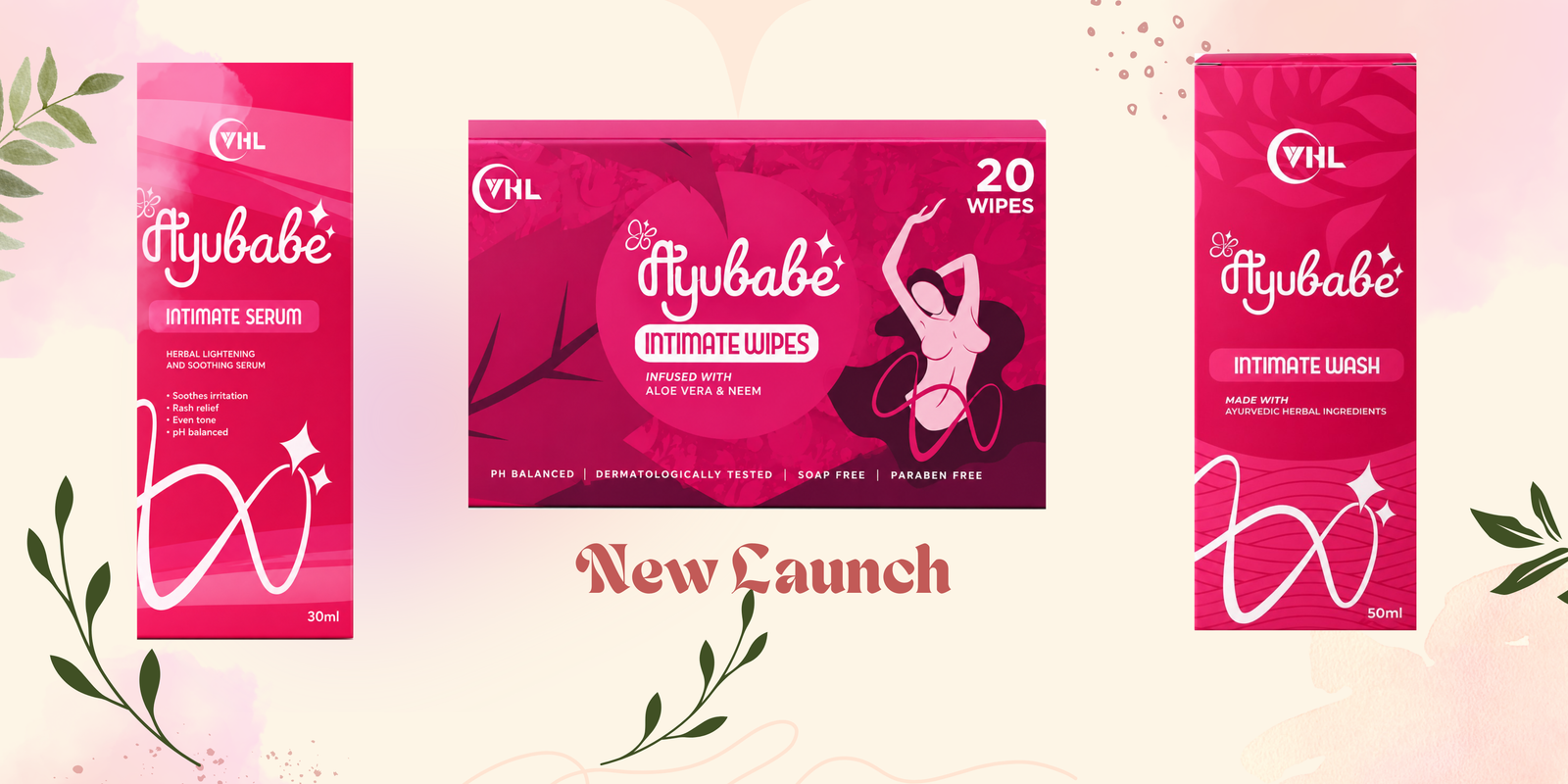
For your daily external cleansing routine, you can explore Ayu-Babe Intimate Wash.
2. Washing Inside the Vagina
A common misconception is that the vagina needs to be cleaned internally to stay hygienic.
It doesn't.
The vagina is naturally self-cleaning. Douching or putting cleansers inside it may interfere with its natural environment.
Keep cleansing limited to the external intimate area unless your healthcare professional specifically advises otherwise.
3. Over-Washing
Washing more often doesn't necessarily mean better hygiene.
Frequently washing or scrubbing sensitive intimate skin can cause dryness and irritation. A simple, gentle routine is usually a better approach than repeatedly cleaning the area throughout the day.
4. Using Strongly Scented Products
A healthy intimate area naturally has its own mild scent. It does not need to smell like perfume.
Using perfumes, deodorants, strongly scented wipes, or fragranced products around the intimate area may irritate sensitive skin.
If you notice a persistent or unusually strong odor, especially alongside itching, burning, or unusual discharge, don't simply try to cover it with fragrance. Speak with a healthcare professional to understand the cause.
5. Wearing Damp or Sweaty Clothes for Too Long
Finished your workout? Don't stay in sweaty leggings for hours.
Moisture and heat can make the intimate area uncomfortable. After exercising, swimming, or heavy sweating, change into clean and dry clothing when possible.
Breathable underwear can also help keep the area comfortable.
6. Wiping in the Wrong Direction
One of the simplest intimate hygiene habits is also one of the most important: wipe from front to back.
Wiping from back to front may transfer bacteria from the anal area toward the urinary and vaginal areas.
Making front-to-back wiping a regular habit is a simple addition to everyday intimate hygiene.
7. Not Changing Period Products Regularly
Menstrual hygiene is an important part of intimate care.
Pads, tampons, and other period products should be changed according to their usage instructions and your flow. Wearing the same product for unnecessarily long periods may increase moisture and discomfort.
Always wash your hands before and after changing menstrual products.
8. Ignoring Persistent Intimate Discomfort
Occasional changes can happen, but persistent symptoms shouldn't be ignored.
Strong or unusual odor, itching, burning, pain, unusual discharge, swelling, or recurring irritation may require professional medical attention.
Instead of repeatedly trying different intimate products or home remedies, consult a gynecologist when symptoms persist.
How to Maintain Good Intimate Hygiene Every Day
Your intimate care routine doesn't need ten different steps. Keep it simple.
Gently clean the external area, pat it dry, wear fresh and breathable underwear, change out of damp clothes, and follow proper toilet and menstrual hygiene.
For everyday external cleansing, Ayu-Babe Intimate Wash can be incorporated into your intimate care routine.
Intimate Hygiene While Travelling
Travelling, long office hours, periods, and busy days can make maintaining your usual hygiene routine difficult.
When access to water isn't convenient, intimate wipes designed specifically for external use can provide an easy way to freshen up.
Ayu-Babe Intimate Wipes can be kept in your handbag, travel kit, or gym bag for convenient external intimate freshness on the go.
Remember that wipes are meant for external use and shouldn't be used internally.
Conclusion
Intimate hygiene doesn't have to be complicated or embarrassing. The most effective routine is often a simple one: gently clean the external area, avoid douching and harsh products, wear breathable underwear, change out of wet or sweaty clothing, maintain good menstrual hygiene, and pay attention to unusual changes.
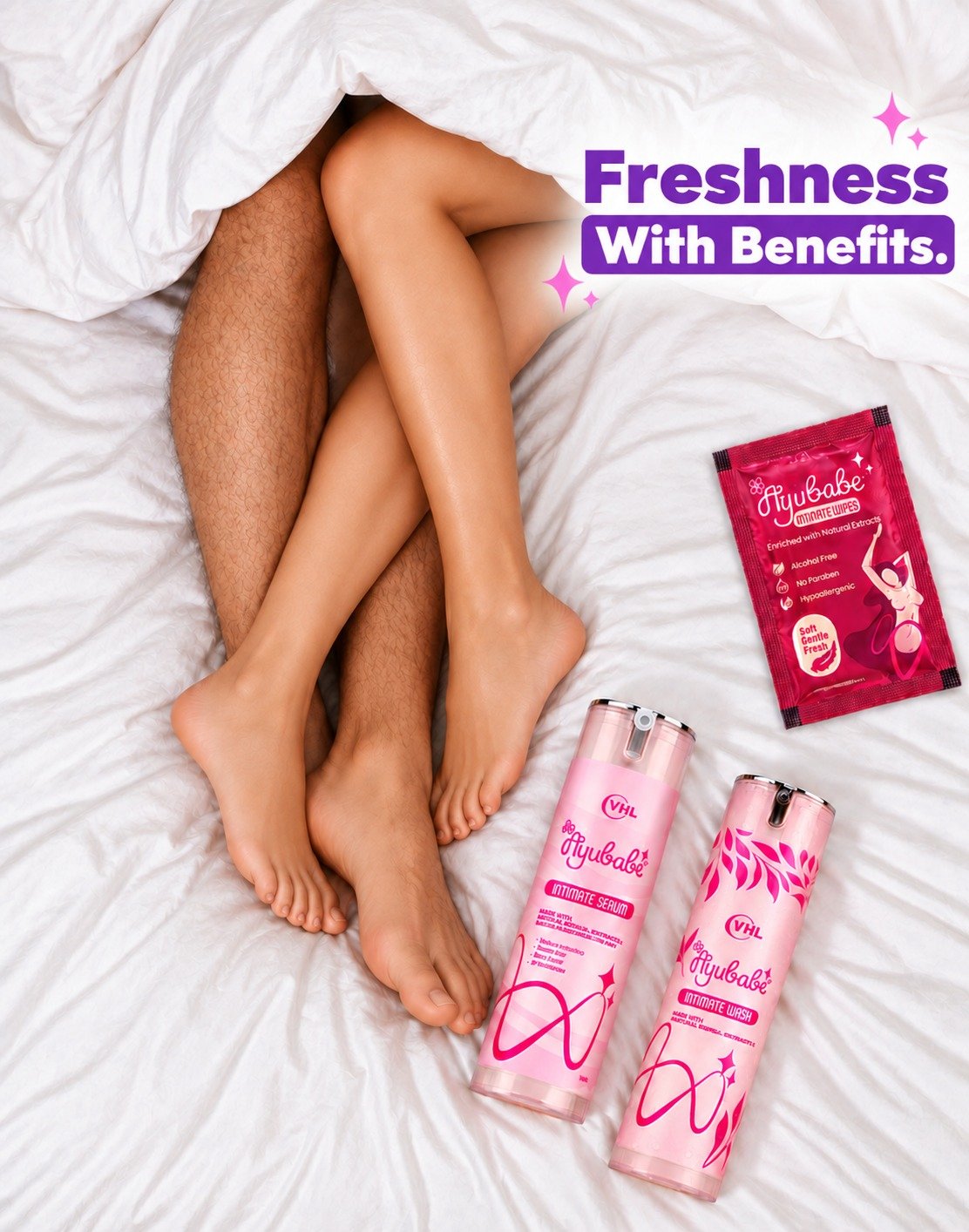
For a complete external intimate care routine, Ayu-Babe offers Ayu-Babe Intimate Wash for cleansing, Ayu-Babe Intimate Wipes for on-the-go freshness, and Ayu-Babe Intimate Serum for external intimate skin care.
Above all, listen to your body. If you notice persistent odor, itching, unusual discharge, pain, or discomfort, don't try to mask the symptoms. Speak with a healthcare professional and get the right guidance.